How Control Room Design Impacts Real-Time Decision Making

Control rooms are where critical decisions happen in real time. Whether monitoring public safety systems, utilities, transportation networks, or corporate operations, these environments demand constant awareness and immediate action. When something changes, teams must respond quickly and confidently.
The problem is that not every control room is designed to support that level of performance. Poor visibility, disconnected systems, and unreliable technology can slow teams down at the exact moment speed matters most. Thoughtful control room design, supported by the right AV systems, changes that completely.

The High-Stakes Environment of Modern Control Rooms

Control rooms are responsible for overseeing operations that impact safety, efficiency, and continuity. Many of these environments are tied to critical infrastructure and essential services, where even small delays can have serious consequences.

Operators are expected to monitor multiple data sources, identify issues as they develop, and coordinate responses without hesitation. This level of responsibility requires more than just technology. It requires a space that is built for clarity, focus, and rapid decision-making.

Why Poor Visibility Leads to Slow Decisions

When operators cannot clearly see the information they need, decision-making becomes slower and less accurate. Data spread across multiple screens, poor display quality, or obstructed views force teams to spend time searching for answers instead of acting on them.

In high-pressure situations, even a few extra seconds can make a difference. If teams are constantly shifting between systems or struggling to interpret what they see, response times suffer and the risk of error increases. Clear visibility is not just about convenience. It is a critical factor in how effectively a control room operates.

How AV Technology Supports Real-Time Awareness

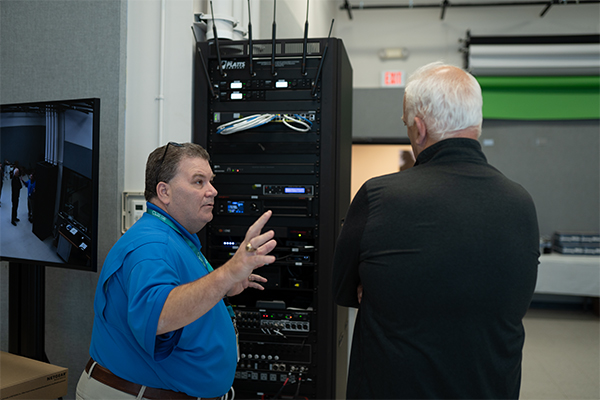
Modern control room technology brings together video, data, and communication into one unified environment. Instead of working across disconnected tools, operators can access everything they need from a centralized system.

This integration allows teams to monitor live data, track system performance, and respond to incidents as they happen. Organizations today rely on real-time data to make faster, more informed decisions, and AV systems play a key role in delivering that information clearly and consistently. 

Audio is just as important as visual data. Clear communication between team members ensures that everyone understands what is happening and what actions need to be taken. When both audio and visual systems are aligned, teams can operate with greater confidence and speed.

The Role of Video Walls in Control Room Performance

Video walls are often the centerpiece of a control room. They provide a shared view of critical information, allowing teams to monitor multiple data sources at once and stay aligned during fast-moving situations.

Unlike individual screens, a control room video wall creates a single source of truth. Everyone in the room can see the same information at the same time, which improves coordination and reduces miscommunication

A well-designed video wall also allows operators to prioritize what matters most. Critical alerts, live feeds, and key performance data can be displayed prominently, helping teams focus on what requires immediate attention.

Designing for Clarity, Speed, and Reliability

The most effective control rooms are built around a few key principles:

  • Clear sightlines so every operator can view critical information without obstruction
  • Consistent, high-quality displays that present data accurately
  • Reliable audio systems that support immediate and clear communication
  • Intuitive control systems that reduce complexity and training time
  • Redundant and dependable infrastructure to ensure continuous operation

The Platts Company takes a design-build approach to ensure every control room system is tailored to the environment it serves. From layout to technology integration, every detail is planned to support real-world use.

Why Integration Is Critical in Control Room Systems

One of the most common challenges in control rooms is fragmentation. When systems are not integrated, operators are forced to manage multiple platforms, interfaces, and workflows at the same time. This creates unnecessary complexity and slows down response times. Integrated AV systems eliminate these barriers by bringing video, audio, and control into a single, cohesive solution.

With everything working together, teams can focus on what matters most: making decisions and taking action. Control room performance is directly tied to how well the space is designed. When visibility is clear, communication is seamless, and systems are fully integrated, teams can respond faster and with greater accuracy.

If your control room needs to support better decision-making and real-time performance, the Platts Company is ready to help. 

Schedule your FREE consultation..

How Modern Courtroom AV Systems Improve Evidence, Presentation, and Case Clarity

Courtrooms are built on clarity. Every argument, piece of evidence, and testimony must be seen, heard, and understood without distraction or confusion. Yet many courtrooms still rely on outdated setups that make it difficult for judges, juries, and legal teams to fully engage with the information in front of them. Modern courtroom audio visual systems are changing that. With purpose-built technology designed specifically for legal environments, courtrooms can now deliver clearer communication, stronger presentations, and more efficient proceedings.

The Challenge of Presenting Evidence Clearly in Courtrooms

Legal cases often involve complex evidence. This can include video footage, digital documents, audio recordings, and detailed visual exhibits. When these elements are not presented clearly, it slows down proceedings and increases the risk of misunderstanding.

In many traditional courtrooms, attorneys must rely on printed materials or small screens that are difficult for everyone in the room to see. Audio can be inconsistent, and switching between evidence sources can feel clunky and disruptive. These limitations create unnecessary friction in a setting where precision matters.

Why Traditional Courtroom Setups Create Confusion

Older courtroom environments were not designed for today’s digital evidence demands. As technology has evolved, the volume and complexity of evidence have grown, but many courtrooms have not kept pace.

Common issues include poor sightlines for displays, inconsistent audio coverage, limited connectivity for modern devices, and systems that require manual intervention to switch between sources. These challenges can lead to delays, repeated explanations, and frustration for everyone involved.

How AV Systems Improve Evidence Presentation and Understanding

Modern courtroom AV systems are designed to remove these barriers. By integrating high-quality displays, clear audio distribution, and intuitive control systems, they allow legal teams to present evidence seamlessly.

Attorneys can display documents, videos, and exhibits with clarity, ensuring that every participant in the courtroom sees the same information at the same time. Judges can maintain control over what is shown, and juries can focus on understanding the case instead of struggling to follow along. Clear audio ensures that testimony is heard accurately throughout the room, which is essential for maintaining the integrity of proceedings.

What Technologies Define a Modern Courtroom

A well-designed courtroom AV system brings together multiple technologies into a cohesive solution:

  • High-resolution courtroom displays for judges, juries, and gallery visibility
  • Evidence presentation systems that allow seamless switching between sources
  • Integrated audio systems for consistent, intelligible sound across the room
  • Centralized control systems for managing all AV components with ease
  • Digital annotation tools for highlighting and emphasizing key evidence

These technologies work together to create a unified experience where communication is clear and efficient.

Why Proper System Design Is Critical in Legal Environments

Courtrooms are not typical meeting spaces, they require precision, reliability, and strict adherence to procedural standards. That is why system design is just as important as the technology itself.

The Platts Company approaches courtroom AV with a design-build mindset, ensuring that every system is tailored to the specific layout, workflow, and needs of the space. From sightline optimization to audio coverage and control accessibility, every detail is considered. This level of intentional design reduces user error, minimizes downtime, and supports consistent performance during critical proceedings.

How Courtroom AV Systems Support Daily Proceedings

Beyond high-profile cases, courtroom AV systems play a vital role in everyday operations. They help streamline case presentations, reduce setup time between sessions, and improve communication between all parties involved.

Judges can manage proceedings more efficiently, attorneys can present their cases with confidence, and court staff can rely on systems that work as expected. Over time, this leads to smoother workflows and a more professional courtroom environment. Modern courtroom AV is not just about technology. It is about creating a space where justice can be carried out with clarity, efficiency, and confidence.

If your courtroom is ready to move beyond outdated systems and deliver a better experience for everyone involved, the Platts Company is here to help. 

Schedule your FREE consultation

How Education Technology Is Transforming Modern Learning Environments

Technology is no longer a supplement in education, it is a core part of how students learn, how instructors teach, and how institutions operate. From K-12 classrooms to higher education campuses, the role of education technology continues to expand. Schools are no longer asking if they should invest in technology, they’re asking how to implement it in a way that improves collaboration and outcomes.

Why Technology in the Classroom Matters More Than Ever

Modern learning environments demand flexibility. Students expect interactive experiences, and educators need tools that support both in-person and hybrid instruction.

Technology in the classroom helps bridge that gap by creating more dynamic and responsive learning spaces. Interactive displays, audio systems, and video solutions allow instructors to present information clearly, while keeping students engaged.

Research continues to show that technology-driven learning environments improve participation and comprehension. As highlighted in recent insights on how technology has changed education, digital tools are reshaping how students absorb and retain information.

How Technology Has Changed Education Across All Levels

The impact of education technology is not limited to one type of institution. It is transforming both K-12 and higher education in different, but equally important ways. In K-12 environments, technology supports foundational learning through interactive lessons and real-time engagement. Schools are creating classrooms that encourage participation rather than passive learning.

In higher education, the focus shifts toward collaboration, scalability, and advanced communication systems, with universities investing in AVL solutions that support large lecture halls and dynamic learning environments. According to industry insights, institutions that adopt modern education technology are better positioned to support evolving learning models and student expectations.

Key Technologies Driving Modern Classrooms

A high-performing learning environment is not built around a single piece of technology but through the integration of multiple systems that work together seamlessly.

The most effective classrooms and campuses are leveraging:

  • Interactive displays that support collaboration and real-time engagement
  • Professional audio systems that ensure clear communication across the room
  • Video solutions that support hybrid and remote learning environments
  • Control systems that simplify how technology is used by instructors

When these elements are properly integrated, they create a consistent experience for both students and educators. For IT teams, understanding how these tools fit together is critical to long-term success.

The Role of AV Solutions in Education Technology

While many discussions around EdTech focus on software, the physical technology inside the classroom plays an equally important role. Audio, visual, and lighting systems are what bring these digital tools to life. Without proper design and integration, even the most advanced platforms can fall short.

AV solutions ensure that every student can hear clearly, see content without obstruction, and participate fully in the learning experience. This is especially important in hybrid environments, where both in-person and remote students need a consistent experience.

As education continues to evolve, institutions are prioritizing complete system design rather than isolated upgrades. Insights on digital transformation in higher education highlight how integrated technology environments are becoming the new standard.

Why Integration Matters More Than Individual Products

One of the most common challenges schools face is disconnected technology. Devices may work individually, but they fail to function as a cohesive system.This often results in inconsistent user experiences, increased troubleshooting, and reduced adoption by educators.

The Platts Company approaches education technology differently. Every solution is designed with a full system perspective, ensuring that each component works together seamlessly. From initial design through installation, the focus is on creating environments that are reliable, intuitive, and built for long-term use.

Building the Future of Learning Environments

Education technology will continue to evolve, but the goal remains the same: create environments where students can engage, collaborate, and succeed.

The Platts Company delivers audio, visual, and lighting solutions that support modern education environments across K-12 and higher education. By focusing on system design and real-world usability, institutions can create spaces that truly enhance learning.

Why Your Hybrid Meetings Are Failing and How the Right Conference Room Technology Fixes It

Hybrid meetings were designed to improve collaboration, but for many organizations, they have introduced new challenges. Audio cuts in and out, remote participants struggle to stay engaged, and meetings often start with troubleshooting instead of progress. These issues are not caused by your team, they are caused by how your conference room technology is designed and implemented.

The Real Reason Hybrid Meetings Break Down

Most hybrid meeting problems stem from a mismatch between the room setup and how meetings actually take place. In many spaces, audio does not reach every participant equally and cameras are limited in coverage, making remote attendees feel disconnected. Additionally, Displays may not be positioned for full visibility, creating gaps in communication.

Over time, these small issues add up quickly, reducing engagement and creating unnecessary friction across teams. Many organizations do not recognize these patterns until performance is impacted. As noted in common signs to upgrade your conference room, recurring technical issues are often indicators of deeper system limitations that need to be addressed.

Why Modern Conference Room Technology Matters More Than Ever

The way teams collaborate has changed. Hybrid work is no longer temporary, it is a permanent part of how organizations operate. This requires a fully integrated approach to conference room technology that delivers consistent performance across every meeting.

Organizations that prioritize this shift are seeing measurable improvements. Investing in better meeting environments leads to stronger communication and more effective teamwork. The Platts Company designs conference room technology that aligns with how teams work today. Each solution is built to remove friction and support seamless collaboration.

Key Elements of Effective Conference Room Design

A high-performing conference room is not defined by individual components but by how those components work together.

To support effective hybrid meeting solutions, your space should include:

  • Evenly distributed audio so every voice is clearly heard
  • Camera systems that capture the full room and all participants
  • High-quality displays that ensure content is visible from any position
  • Simple, intuitive controls that eliminate delays and confusion

When these elements are properly integrated, conference room audio video solutions create a consistent and reliable experience for every meeting.

How the Right Video Conferencing System Changes Everything

A well-designed video conferencing system does more than connect participants, it removes barriers to communication.

With these improvements, meetings start on time without technical delays, remote participants are fully engaged instead of struggling to follow along, and in-person teams can focus on discussion instead of managing technology. Advancements in video conferencing continue to improve how teams interact. 

The Platts Company approaches every project with a design-build-install mindset, from initial planning through final implementation, each system is engineered for reliability and long-term performance. Learn more about how this works through the Platts Company process.

From Frustration to Productivity

When conference room technology is designed correctly, the difference is immediate:

  • Communication becomes clear
  • Meetings become more efficient
  • Teams can focus on ideas instead of interruptions

What was once a source of frustration becomes a space that supports productivity and collaboration every day. The Platts Company delivers conference room solutions built around your space, your team, and your goals, helping organizations create meeting environments that truly work.

Schedule your FREE consultation.

What Is Digital Signage? A Guide for Schools, Businesses, and Public Spaces

Digital signage refers to strategically placed, digital signage displays that present dynamic visual content such as announcements, event schedules, dashboards, branded messaging, and live data feeds. Unlike static signage, these systems allow organizations to update messaging in real time across one location or multiple buildings.

When designed and installed correctly, digital signage solutions enhance communication, improve engagement, and elevate the overall experience of a space.

Why Digital Signage Matters for Modern Facilities

Modern organizations face a shared challenge: how to communicate clearly, consistently, and efficiently with large and diverse audiences. Instead of relying solely on email or printed materials, digital displays bring communication into high-traffic spaces where attention is already focused.

In higher education environments, digital signage is often used to share event information, emergency alerts, and campus updates across multiple buildings. In corporate settings, digital displays help streamline communication by delivering policy reminders, recognition messages, and organizational updates in shared spaces, reducing the burden on HR teams. When implemented strategically, digital signage improves message visibility, reinforces internal alignment, and ensures critical information is seen rather than overlooked.

How Digital Signage Displays Improve Communication and Engagement Indoors

Indoor digital signage displays serve as communication hubs. Positioned in lobbies, hallways, cafeterias, and conference areas, they ensure key information reaches people where they naturally gather.

Digital signage solutions improve engagement through:

Real-Time Announcements
Instantly deploy schedule changes, meeting updates, and alerts across one screen or an entire facility network.

Culture and Morale Reinforcement
Highlight employee recognition, student achievements, or ministry milestones to strengthen connection and shared identity.

Brand Consistency
Maintain a cohesive visual identity across multiple facilities with professionally designed digital sign templates.

Multi-Purpose Functionality
Rotate seamlessly between announcements, dashboards, promotional content, livestream feeds, and event schedules without physical updates.

For facility managers and administrators, this flexibility makes digital signage installation one of the most scalable communication investments available.

Essential Components of Effective Digital Signage Design

Effective digital signage design requires more than simply mounting a screen on a wall. Successful deployments depend on thoughtful planning, strategic content development, and professional integration. Commercial-grade digital signage displays are essential because they are engineered for extended daily runtime, consistent brightness, and long-term durability. A clear content strategy is equally important, ensuring messaging is readable at a distance, visually balanced, and aligned with organizational goals.

Behind the scenes, reliable infrastructure makes everything work. Secure mounting systems, signal distribution, proper cabling, and stable connectivity protect performance and uptime. Centralized control systems allow administrators to update content quickly across one or multiple locations, keeping communication timely and consistent. Finally, professional installation ensures the system integrates seamlessly with existing audio visual infrastructure. Without these foundational elements, even high-quality displays may underperform.

What to Consider When Planning a Digital Signage Installation

Before beginning a digital signage installation, organizations should evaluate several critical factors:

Location and Visibility
Where will the displays have maximum impact? Entryways, common areas, and waiting spaces typically provide strong visibility.

Audience Type
Students, employees, visitors, or congregants may each require different messaging strategies.

Scalability
Will the system need to expand across multiple buildings or campuses?

Integration with Existing AV Systems
Digital signage should align with your broader audio and visual infrastructure.

Long-Term Reliability
Professional installation and engineering reduce downtime and protect your investment.

Working with an experienced digital signage company ensures these factors are addressed from the start rather than corrected later.

How the Platts Company Delivers Reliable Indoor Digital Signage Solutions

As an AVL systems integrator, the Platts Company focuses on the tangible technology that powers communication. From commercial-grade digital signage displays to mounting systems and signal distribution, every solution is engineered for durability and performance.Let the Platts Company help you transform your facility with strategic, professionally integrated digital signage solutions designed for clarity, consistency, and lasting impact.

Professional Church Stage Lighting: How to Transform Your Worship Environment

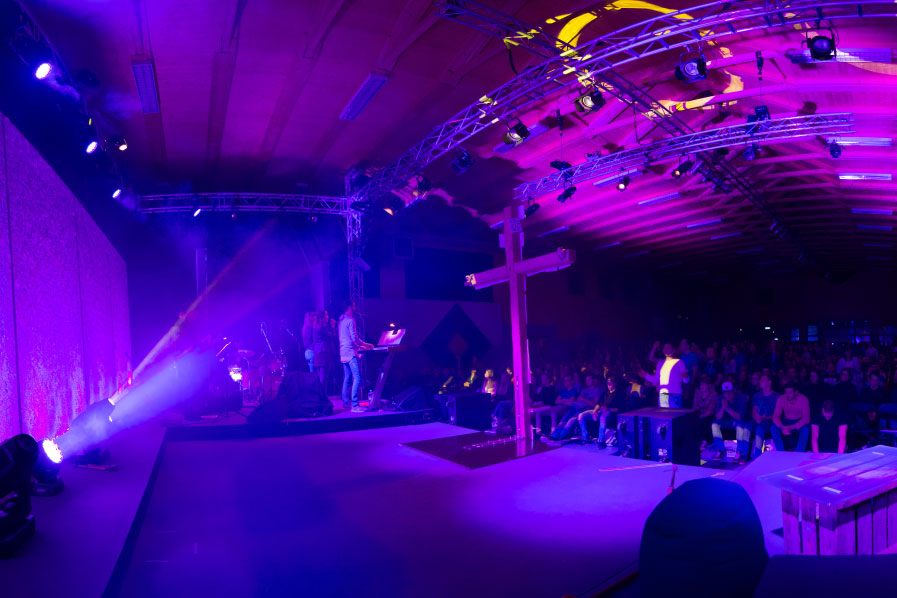
Church stage lighting is more than a technical upgrade, it is a ministry tool. When thoughtfully designed, church stage lighting shapes the atmosphere of worship, directs attention with purpose, and helps every word, song, and message connect with the congregation.

Whether you are designing a full-scale church stage lighting system for a growing campus or enhancing a small church stage lighting setup, purposeful lighting can dramatically elevate your worship environment.

Why Church Stage Lighting Matters for a Meaningful Worship Experience

In every sanctuary, the platform carries visual weight. It is where scripture is read, music is played, and life-changing communication is shared. Without proper stage lighting for church environments, even the most meaningful service can feel visually disconnected.

Professional church lighting design accomplishes three critical goals:

Clarity. A well-placed church spotlight ensures pastors, leaders, and speakers are clearly seen from every seat. Better visibility enhances connection between congregations and their worship leaders by showing important things like body language and expression.

Focus. Lighting subtly tells the congregation where to look, when to reflect, and when to celebrate. By highlighting key moments and minimizing visual clutter, the stage supports the message instead of competing with it.

Atmosphere. Strategic use of intensity, color, and contrast transforms the visual environment of the sanctuary. Professional LED stage lighting allows churches to create distinct moods that align with every phase of the service.

When designed with intention, lighting becomes an invisible partner in worship, reinforcing the message and elevating the overall experience.

Key Elements of Effective Church Stage Lighting Design

Strong church stage lighting design does not happen by accident. It requires planning, engineering, and an understanding of both worship flow and architecture.

Here are the core elements that define a successful church stage lighting setup:

1. Front Lighting for Visibility

Front lighting ensures speakers are evenly illuminated. Without it, shadows obscure faces and reduce visual clarity. Proper positioning and intensity allow every seat in the sanctuary to experience the same quality.

2. Back and Accent Lighting

Back lighting separates individuals from their background, adding dimension to the church stage. Accent lighting highlights architectural elements such as crosses, baptistries, or stage textures, enhancing visual depth without overwhelming the space.

3. Color Control and Scene Programming

Modern professional LED stage lighting systems allow for scene presets. This means your team can transition seamlessly between worship, announcements, prayer, and special events with the push of a button. 

4. Flexible Control Systems

User-friendly control systems are essential, especially in churches that rely on volunteer teams and untrained staff members. An effective system design makes complex lighting simple to operate.

5. Integration with Audio and Video

Lighting must work alongside audio and video systems. If your church streams services or records content, lighting design must support cameras and eliminate glare or washout. This is where working with an experienced AVL integrator becomes critical.

The Platts Company helps worship environments fully integrate their AVL systems to deliver clear communication, seamless operation, and an elevated worship experience.

Practical Stage Lighting Solutions for Small and Growing Churches

Small church stage lighting doesn’t have to make a small impact. In fact, smaller spaces often benefit the most from thoughtful lighting improvements.

Churches with limited budgets or multipurpose spaces can still make meaningful lighting improvements by focusing on strategic upgrades. Start by prioritizing improved front lighting, since clear visibility should always come first. From there, adding subtle color washes can introduce dimension and create more dynamic worship moments without overcomplicating the system. Upgrading outdated fixtures to modern LED lighting provides better output, cleaner color, and greater control, improving both performance and reliability. 

It is also important to design for flexibility, as many churches use their sanctuary for worship services, community events, and special productions. A well-designed lighting system adapts easily to each of these needs. Budget concerns are common, but with proper planning, improvements can be phased in without sacrificing quality. 

How Professional LED Stage Lighting Enhances Visibility and Worship Impact

Churches today are expected to deliver clear in-room visibility while also supporting livestreams, recorded sermons, and dynamic worship environments. That level of consistency requires more than basic fixtures. Professional LED stage lighting provides the control and reliability modern worship spaces demand.

Unlike older systems, today’s fixtures offer:

  • Precise beam control
  • Smooth dimming
  • Vibrant color mixing
  • Lower heat output
  • Long-term reliability

With this level of precision, lighting can be adjusted intentionally rather than broadly applied. Instead of washing the entire platform in uniform brightness, teams can highlight key areas, balance intensity across the stage, and adapt lighting to the needs of each moment in the service. The result is a cleaner, more structured visual environment that remains consistent week after week.

For churches with broadcast or streaming ministries, this precision becomes even more important. Proper lighting ensures natural skin tones, balanced backgrounds, and a professional on-camera appearance, allowing viewers at home to experience the service with the same clarity as those in the room.

How the Platts Company Transforms Church Stages With Professional Lighting Solutions

For over 45 years, the Platts Company has helped houses of worship across South Carolina, North Carolina, and Georgia design and install professional stage lighting systems that elevate worship environments.

As an experienced AVL systems integrator, the Platts Company focuses on tangible solutions. From stage lighting fixtures and controls to full sanctuary audio and video integration, every system is engineered to fit the unique architecture and ministry goals of the church.

The process is structured and collaborative:

  1. Discovery and Needs Assessment
  2. Custom Design and Engineering
  3. Professional Installation
  4. Training and Ongoing Support

If your church stage is under-lit, inconsistent, or no longer supporting your ministry vision, now is the time to explore what intentional church lighting design can accomplish. Let the Platts Company help you transform your worship environment with professional church stage lighting designed for clarity, excellence, and lasting impact.

What Is a Video Wall? A Complete Guide for Schools, Businesses, and House of Worship Venues

A video wall is a powerful visual solution that combines multiple displays or LED panels into one large, seamless canvas for communication, engagement, and information sharing across schools, businesses, and public venues. As organizations look for better ways to capture attention and deliver content at scale, video walls have become a cornerstone of modern audiovisual environments.

The Platts Company designs and installs video wall solutions that are purpose-built for real-world applications, helping organizations transform how they communicate visually.

What Is a Video Wall?

A video wall is a large display surface made up of multiple screens or an integrated LED display that works together to present a single image or multiple content sources. Unlike traditional TVs or projectors, video walls are designed for visibility, durability, and flexibility in demanding environments.

Video walls can be built using LCD panels or LED panels, depending on the application, viewing distance, and content needs. They are commonly used as digital signage displays, presentation backdrops, information dashboards, and immersive visual experiences.

Learn more about how video walls fit into a broader audiovisual strategy by exploring the Platts Company solutions overview.

How Video Walls Work

Video walls operate through a combination of display hardware, mounting systems, processing equipment, and content sources. A controller or processor manages how content is distributed across each screen or LED module, ensuring consistent brightness, alignment, and image quality.

Modern video walls allow users to display one large image, multiple windows of content, live video feeds, or dynamic messaging. This flexibility makes them ideal for environments that require real-time updates or multi-purpose use. 

Types of Video Walls

There are several types of video walls, each suited to different environments and goals:

  • LCD video walls, which use tiled flat-panel displays and are common in control rooms and corporate settings
  • LED video walls, which use LED panels to create a seamless image with no visible bezels
  • Direct-view LED displays, often referred to as LED screens or LED video walls, designed for high brightness and long viewing distances

LED display technology is especially popular in large venues and public spaces because of its scalability, durability, and visual impact. The Platts Company helps organizations determine the right configuration based on space, content, and long-term use.

Benefits of Using a Video Wall in Modern Facilities

Video walls offer a range of benefits that go far beyond traditional displays. They improve visibility in large spaces, allow for dynamic content updates, and create a more engaging experience for viewers.

Key benefits include:

  • Enhanced visual impact for presentations and messaging
  • Flexible content layouts for multiple use cases
  • Improved communication across large or busy environments
  • Long-term scalability as needs change

Video walls function as both a communication tool and a visual centerpiece, they are often used to anchor larger audiovisual systems within a facility.

Where Video Walls Are Commonly Used

Video walls are used across a wide range of industries and environments, including:

  • Educational campuses and common areas
  • Corporate lobbies and collaboration spaces
  • Houses of worship and sanctuaries
  • Sports venues and performance spaces
  • Government and public facilities

Each environment has unique requirements, which is why working with an experienced audiovisual integrator matters. Explore the industries served by the Platts Company to see how video walls are applied across different markets.

Video Wall vs. Large LED Display: What’s the Difference?

The terms video wall and large LED display are often used interchangeably, but they are not always the same. A traditional video wall may be built from multiple LCD panels with visible seams, while a large LED display or LED video wall uses LED panels to create a seamless image.

LED screens are typically better suited for larger spaces and higher ambient light environments, while LCD video walls may be ideal for indoor spaces where fine detail is critical. Factors such as viewing distance, content type, and budget play a role in determining the right solution.

How Video Walls Enhance Communication and Engagement

Video walls transform how information is delivered. Instead of static messaging, organizations can share dynamic visuals, live data, branded content, and real-time updates that draw attention and improve retention.

As digital signage displays, video walls help organizations communicate clearly and consistently with students, employees, visitors, and audiences. When integrated correctly, they become a central tool for storytelling, wayfinding support, event production, and collaboration.

What to Consider Before Choosing a Video Wall

Before selecting a video wall, it is important to evaluate several key factors:

  • Room size and viewing distance
  • Content type and usage frequency
  • Ambient lighting conditions
  • Long-term maintenance and support
  • Integration with existing audiovisual systems

The Platts Company follows a proven design and installation process that ensures each video wall solution is built around real needs, not assumptions. Learn more about the Platts Company’s approach and how it supports long-term success.

If you are considering a video wall for your facility, the best first step is a professional consultation. Schedule your FREE consultation to discuss your goals, space, and options with the Platts Company.

Top AVL Conference Room Solutions to Refresh Your Space This January

AVL conference room solutions are one of the smartest investments organizations can make at the start of the year, setting the tone for more productive meetings, stronger collaboration, and better use of technology throughout Q1 and beyond. January is the perfect time to evaluate how your conference room technology supports daily operations, hybrid meetings, and long-term growth.

Whether your space hosts executive meetings, client presentations, or team collaboration sessions, modern conference room audio video solutions can dramatically improve how people connect and communicate. The Platts Company specializes in designing and building conference room environments that are reliable, intuitive, and built for real-world use.

Why January Is the Best Time to Update Your Conference Room Technology

The beginning of the year is when many organizations reassess workflows, budgets, and technology priorities. Conference rooms that struggled with connectivity issues, outdated displays, or inconsistent audio last year often become a pain point during early Q1 planning sessions.

Upgrading conference room technology in January allows teams to start the year with systems that are aligned with how they actually work today. Hybrid collaboration is no longer optional, and according to Forbes, organizations that invest in adaptable collaboration environments are better positioned to support long-term flexibility and performance.

By addressing upgrades early in the year, businesses can avoid mid-year disruptions and ensure their conference rooms are ready to support evolving meeting demands.

Top Conference Room Solutions to Modernize Your Space in Q1

Refreshing your conference room does not mean adding unnecessary technology. The most effective conference room solutions focus on reliability, usability, and seamless integration.

Some of the most impactful upgrades include:

  • High-resolution displays sized appropriately for the room
  • Integrated audio systems that provide clear, consistent sound coverage
  • Simple control systems that make starting meetings intuitive
  • Cameras designed for natural eye contact and clear visibility
  • Scalable infrastructure that supports future growth

The Platts Company takes a design-build approach, ensuring each solution is tailored to the space rather than forced into a one-size-fits-all package.

For organizations managing multiple locations, integrated and standardized conference room solutions across meeting rooms, training rooms, and collaboration areas help ensure every space works the same way. Standardization makes systems easier to use, easier to support, and more efficient for IT and facilities teams.

How Conference Room Audio Video Solutions Improve Everyday Meetings

Reliable conference room audio video solutions remove friction from everyday meetings. When microphones, speakers, displays, and cameras work together seamlessly, teams spend less time troubleshooting and more time focusing on the conversation.

Clear audio ensures every participant is heard, whether they are seated at the table or joining remotely. Well-positioned displays and cameras help remote attendees feel included, which is essential for productive hybrid collaboration.

Outdated systems often lead to common frustrations such as dropped connections, poor sound quality, and meetings that start late. These issues add up quickly. The Platts Company focuses on installing tangible, dependable AV systems that IT teams can trust and users can operate with confidence.

Choosing the Right Video Conferencing Equipment for Hybrid Collaboration

Selecting the right video conferencing equipment starts with understanding how the room will be used. Boardrooms, huddle spaces, and training rooms each require different camera coverage, microphone pickup, and display configurations.

Key considerations include:

  • Room size and seating layout
  • Number of in-room and remote participants
  • Existing infrastructure and cabling
  • Ease of use for non-technical users

A well-designed video conferencing system should feel invisible to the meeting itself. When technology fades into the background, collaboration improves. Forbes highlights that thoughtful video technology design plays a major role in helping teams feel more connected, even when they are not in the same room.

The Platts Company works closely with organizations across commercial environments to ensure video conferencing equipment is selected and configured correctly from day one.

Building a Reliable Video Conferencing System for the New Year

A reliable video conferencing system is not just about individual components. It is about how those components work together as a complete solution. Proper design, coordination, and testing are critical to long-term performance.

The Platts Company follows a proven process that begins with understanding your goals and ends with a system that is ready for real-world use.

With more than 45 years of experience, the Platts Company has helped organizations create conference rooms that support collaboration today while remaining flexible for future needs.

If your conference room struggled to keep up last year, now is the right time to make a change. Start the year with conference room solutions that support better meetings, stronger collaboration, and dependable performance.

Schedule your FREE consultation to begin planning your conference room upgrade today.

How Pro Sound and Stage Lighting Upgrades Prepare Your School Auditorium for Spring 2026

Pro sound and stage lighting systems play a central role in how well students are seen and heard during school performances, award ceremonies, educational presentations, and daily programming. When a school auditorium relies on aging equipment or mismatched components, sound becomes uneven, lighting loses definition, and events become more challenging for staff to manage. With the number of programs schools host, from band concerts to drama productions, upgrading these systems becomes essential for clarity, reliability, and overall experience.

Modern stage lighting supports far more than illumination. It reinforces visibility, atmosphere, and engagement, all of which contribute to a polished and professional performance experience. These functions are captured in the core capabilities of performance lighting and apply directly to K–12 and higher education auditoriums.

Sound quality also significantly affects how audiences experience student performances. Many schools begin upgrades by strengthening their audio foundation, guided by insights into why the right sound system matters in an auditorium.

When both lighting and sound systems work in harmony, schools gain the flexibility needed to support a wide range of events with consistency and professionalism.

The Perfect Time to Plan: Why Winter Sets the Stage for Spring 2026

For most schools, winter is the best time to begin planning pro sound and stage lighting upgrades. With fewer major productions happening between November and February, administrators and faculty teams can use this window to complete evaluations, approve budgets, meet with AVL professionals, and start the design process.

Beginning early ensures that every stage needs assessment, engineering, equipment selection, installation scheduling, and staff preparation is handled intentionally rather than rushed. Schools can secure installation timelines that fit their academic calendar, whether that’s spring break, post-graduation, or the summer window when auditoriums are typically available for construction.

Winter planning also creates valuable time to:
• Determine the ideal lighting fixtures and audio components
• Prepare any electrical or infrastructure adjustments
• Coordinate design and installation with minimal disruption
• Allow staff to review operational needs and training requirements

A detailed look at how projects move from concept to completion is outlined in our process.

By planning now, your upgraded system can be fully installed, tuned, and ready to support your school’s programming by Spring 2026.

Lasting Benefits of Upgraded AV Systems

Upgrading pro sound and stage lighting benefits far more than a single concert or performance. Modern AVL systems deliver long-term value by improving consistency, supporting staff, and elevating the overall environment for students and families.

Schools gain:

 • Greater clarity for performances, ceremonies, and student presentations
• Advanced lighting control for plays, concerts, and multi-use events
• Reliable sound coverage that reduces technical disruptions
• Intuitive systems that staff can operate confidently
• Higher-quality recordings, livestreams, and photography
• Scalable infrastructure prepared for future upgrades

Well-designed, properly tuned systems help schools create an auditorium environment where every student’s work is presented clearly and professionally no matter the type of event.

Partner with the Platts Company for Expert Design and Installation

Every performance, ceremony, and event is a moment for students to shine. Pro sound and stage lighting upgrades ensure those moments are supported by the clarity, visibility, and reliability they deserve. The Platts Company works closely with schools to design systems that match their programming needs, facility layout, technical goals, and long-term plans. From engineering and installation to system tuning and training, each project is built to help your team run events with confidence.

If your school is planning ahead for a stronger performance season in Spring 2026, winter is the ideal time to begin the design process. Schedule your FREE consultation.

Recital Stage Lighting: How to Prepare Your Auditorium for Spring Performances

Recital stage lighting shapes the atmosphere and professionalism of every performance hosted in a community auditorium. Local recitals often highlight dancers, musicians, cultural groups, theater programs, and community arts organizations. These events bring full audiences, diverse performers, and the expectation that lighting and audio will work flawlessly from start to finish.

Many community auditoriums rely on legacy lighting systems that were never designed for today’s performance standards. Fixtures may be limited in range, produce inconsistent color, or fail to illuminate performers evenly. Audio can also become uneven or difficult to manage, especially in multipurpose auditoriums that serve everything from recitals to public meetings. Community center staff often work with volunteer teams or rotating personnel, which makes intuitive, reliable systems even more essential..

Recitals demand clarity, consistency, and well-designed stage lighting and audio. Without proper illumination or dependable audio coverage, performers are harder to see and audiences miss the full impact of the event. Community venues require purpose-built systems that support a wide range of performance types and user needs.

The Winter Planning Advantage: Be Ready for Spring 2026

Winter is the ideal season for community venues to evaluate their recital stage lighting and audio setups. With fewer large-scale productions during the winter months, facility managers gain the time and flexibility needed to assess their current infrastructure and begin planning meaningful upgrades.

Planning during winter allows:

  • Time to determine the right lighting fixtures for dance recitals, cultural showcases, concerts, or theatrical events
  • A smooth schedule for engineering, installation, and programming
  • Increased availability of both venue space and technicians
  • Enough lead time to tune systems and train staff before spring performances

Community auditoriums stay busy year-round, supporting everything from arts programs to civic gatherings. Planning upgrades during the winter gives your team the flexibility to move forward without the pressure of spring’s packed performance calendar. If you’re curious how an AVL project moves from initial concept to final installation, our process provides a clear step-by-step overview.

Beyond One Recital: AVL Upgrades Serve Every Community Event

Recital stage lighting upgrades benefit far more than the spring recital season, they elevate every event your auditorium supports throughout the year. Community auditoriums often host a greater variety of programming than any other type of venue, which means their AVL systems must be flexible, reliable, and easy for staff or volunteers to operate.

Modern AVL upgrades support:

  • Dance and music recitals
  • Community theater productions
  • Local arts festivals and cultural showcases
  • Civic ceremonies and public gatherings
  • Lectures, keynote speakers, and community forums
  • Talent shows and variety performances
  • Nonprofit fundraisers and galas
  • Concerts, showcases, and seasonal celebrations

With modern lighting and audio systems, stages become easier to illuminate evenly, voices become clearer, and transitions between event types become far more seamless. Evenly lit stages support video recording and photography for community groups, while improved audio coverage enhances the audience experience and reduces technical challenges.

Why Communities Trust the Platts Company for Auditorium AV

The Platts Company has long been a trusted partner for community venues, municipal facilities, performing arts centers, and civic auditoriums across the Carolinas and Georgia. As a dedicated AVL systems integrator, the Platts Company delivers:

  • Lighting designed specifically for performance environments
  • Audio systems engineered for clear, consistent coverage
  • Skilled technicians experienced in community auditorium installations
  • A design-build-install methodology that ensures accuracy and alignment
  • Training and long-term support built for staff and volunteers

Community auditoriums bring people together, families, performers, neighbors, and local organizations. When your recital stage lighting and audio systems are designed for performance-ready environments, every event feels more polished, more engaging, and more memorable. If your venue is planning upgrades for the seasons ahead, the Platts Company can help you bring clarity, impact, and consistency to your auditorium. Schedule your FREE consultation.